



A Alta Joalharia é a Alta-Costura do Mundo da Joalharia
afirma a historiadora de joalharia Vivienne Becker
Diferente da joalharia convencional, comercial ou fine jewellery, não se define apenas pelo valor, mas por um conjunto de critérios técnicos e artísticos rigorosos.
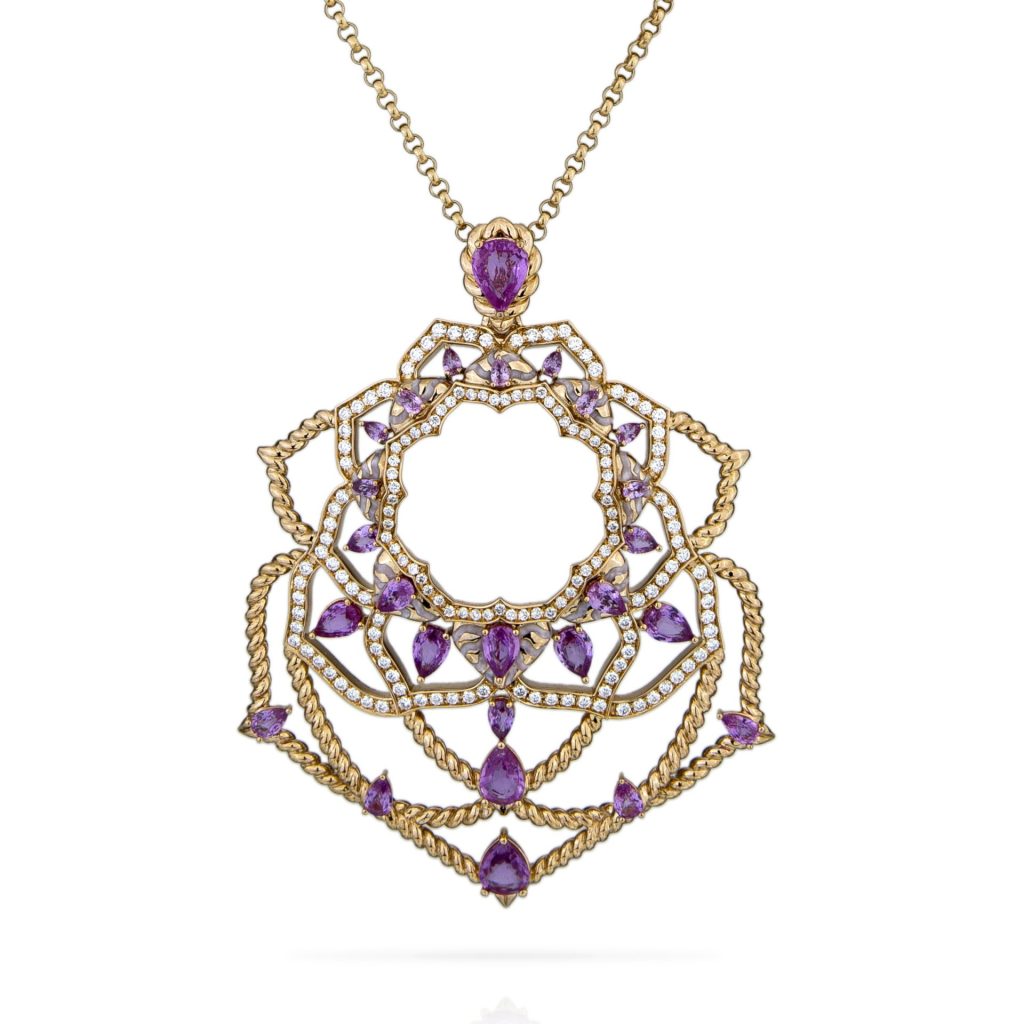
High jewelry is to this art what haute couture is to fashion: the highest level of exclusivity and mastery. While iconic collections from renowned brands function as a luxurious prêt-à-porter accessible to a wider audience, high jewelry creations are unique pieces, elevating noble materials to the status of works of art.
High jewelry pieces are created for the client or arise from the brand's initiative as inspiring and inspirational work around a theme or a particular gem, made and conceived to be exclusive in quality, quantity and craftsmanship, usually around a concept.
Although high jewelry is often of higher value than jewelry in general, its value is determined by several factors. Some factors that help define the value of a high jewelry piece:
Only with experienced designers and master jewelers is the work of conceiving, creating and materializing these pieces entrusted, ensuring that each high jewelry creation is a work of art.
High jewelry uses noble metals, gems of exceptional quality and sometimes surprising materials that materialize the dream.
O Museu do Tesouro Real, localizado do Palácio da Ajuda guarda um acervo de joalharia único que contém peças de alta joalharia portuguesa e internacional onde a utilização de materiais surpreendentes contribui para que a peça seja excecional.
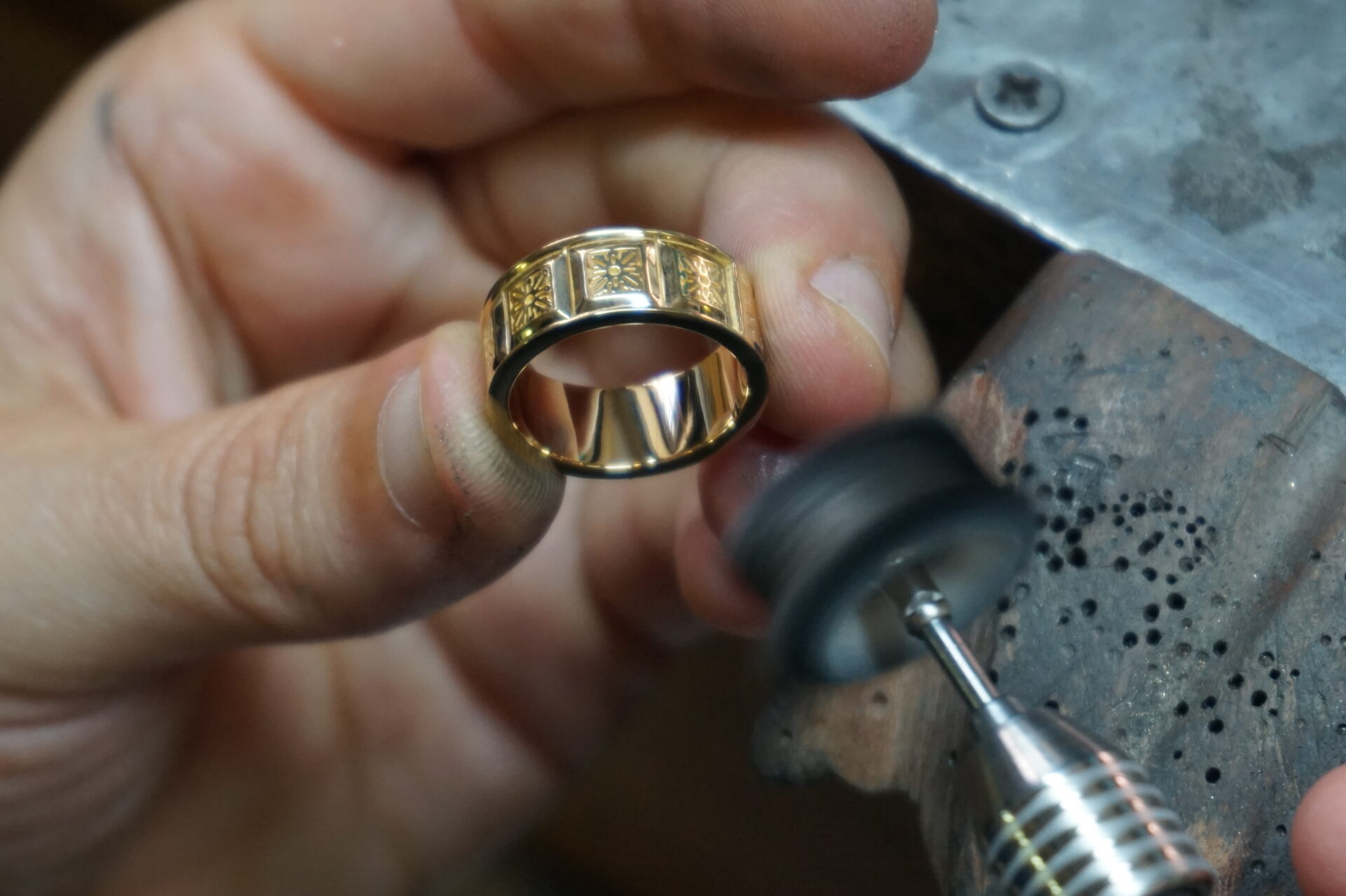
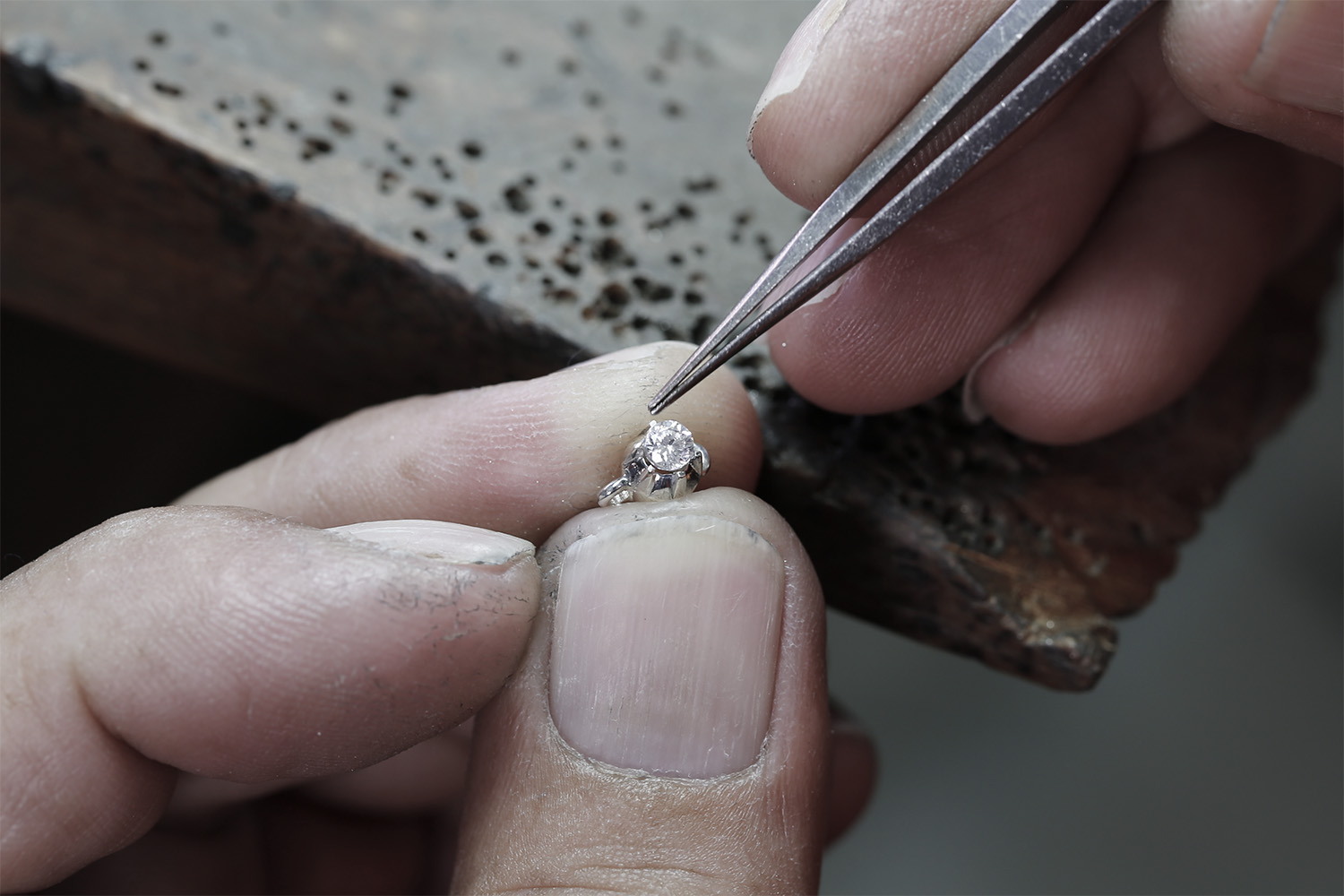
A alta joalharia é uma produção manual de experientes mestres joalheiros. A definição técnica exige que a peça seja produzida manualmente. Na Alta Joalharia:
Unlike "mass-produced" luxury jewellery, High Jewellery focuses on the exclusive piece.
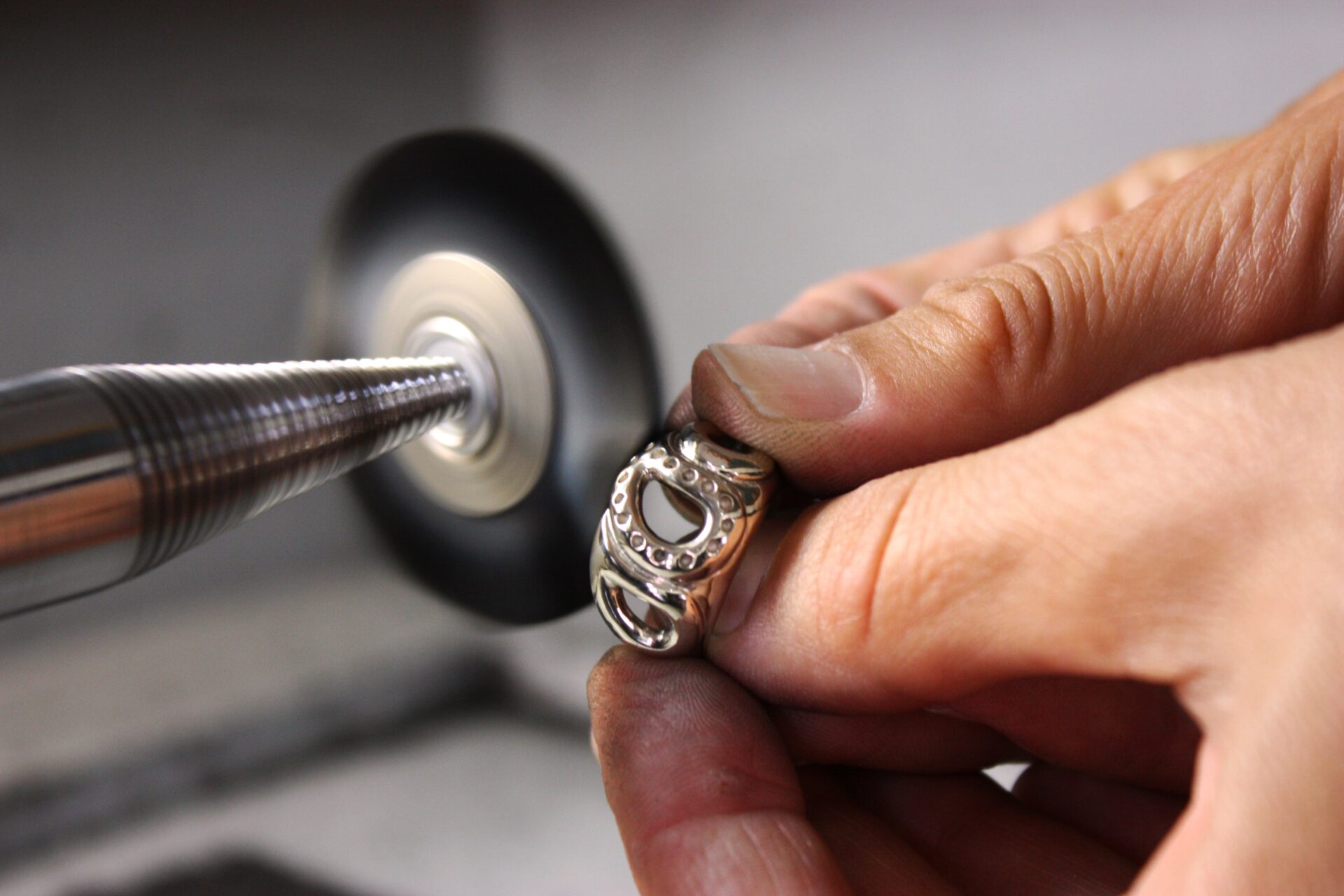
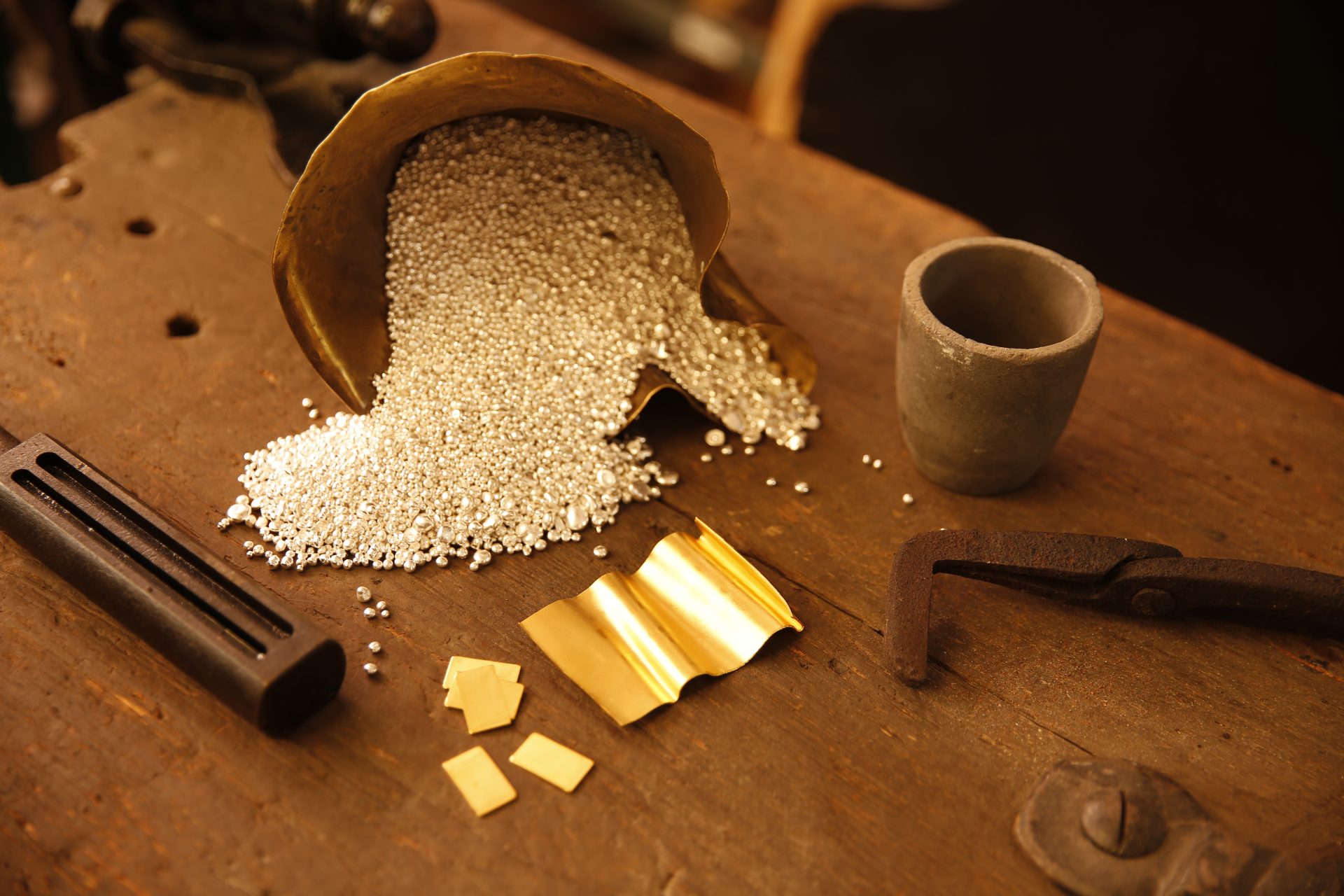
Historic jewellery houses play a determining role in the preservation and elevation of this craft.
They are responsible for:
In the Portuguese context, these houses take on particular relevance, by combining historical heritage with modernity and rigorous contemporary execution.
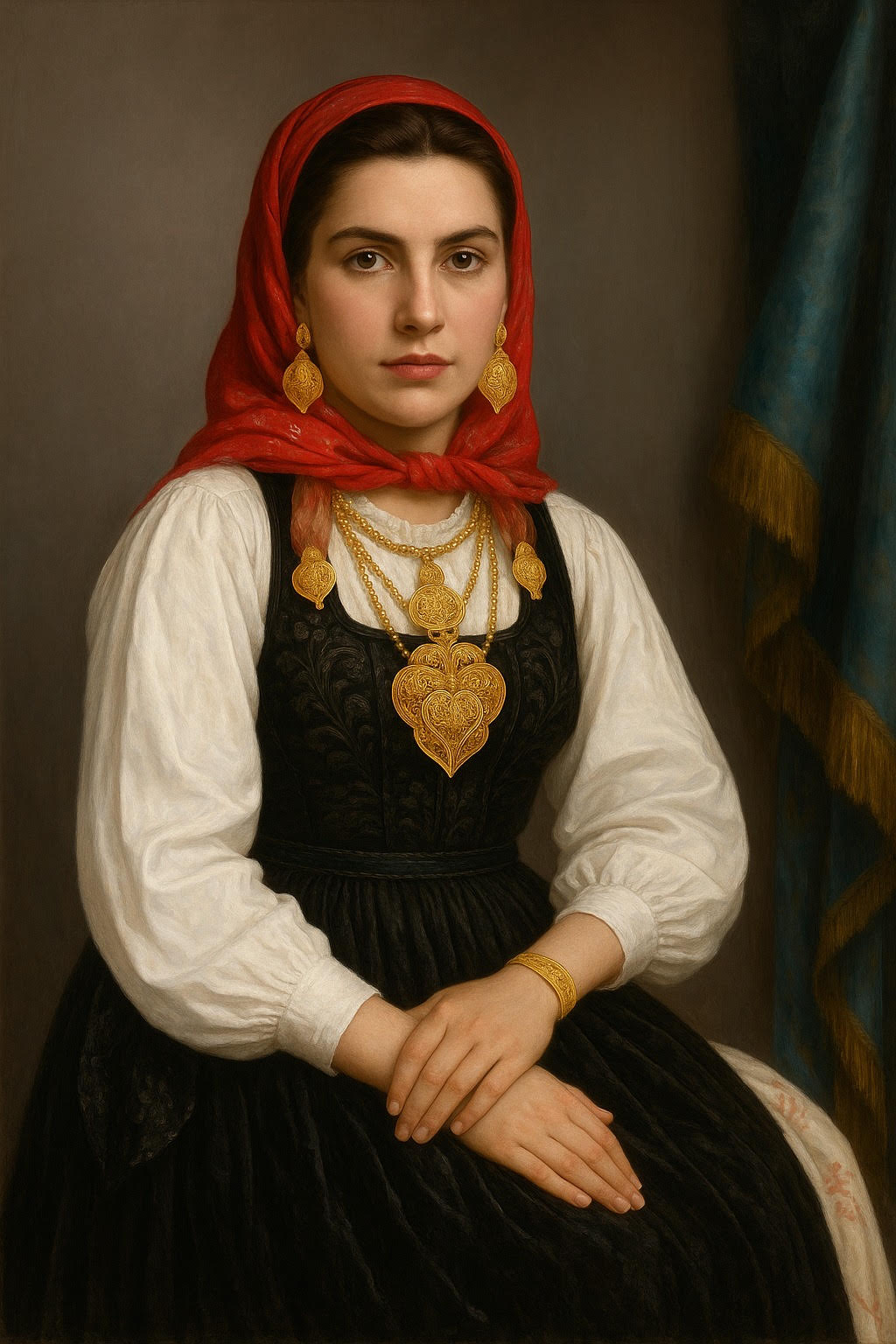
A joalharia portuguesa assenta em três pilares fundamentais: tradição, técnica e matéria-prima.
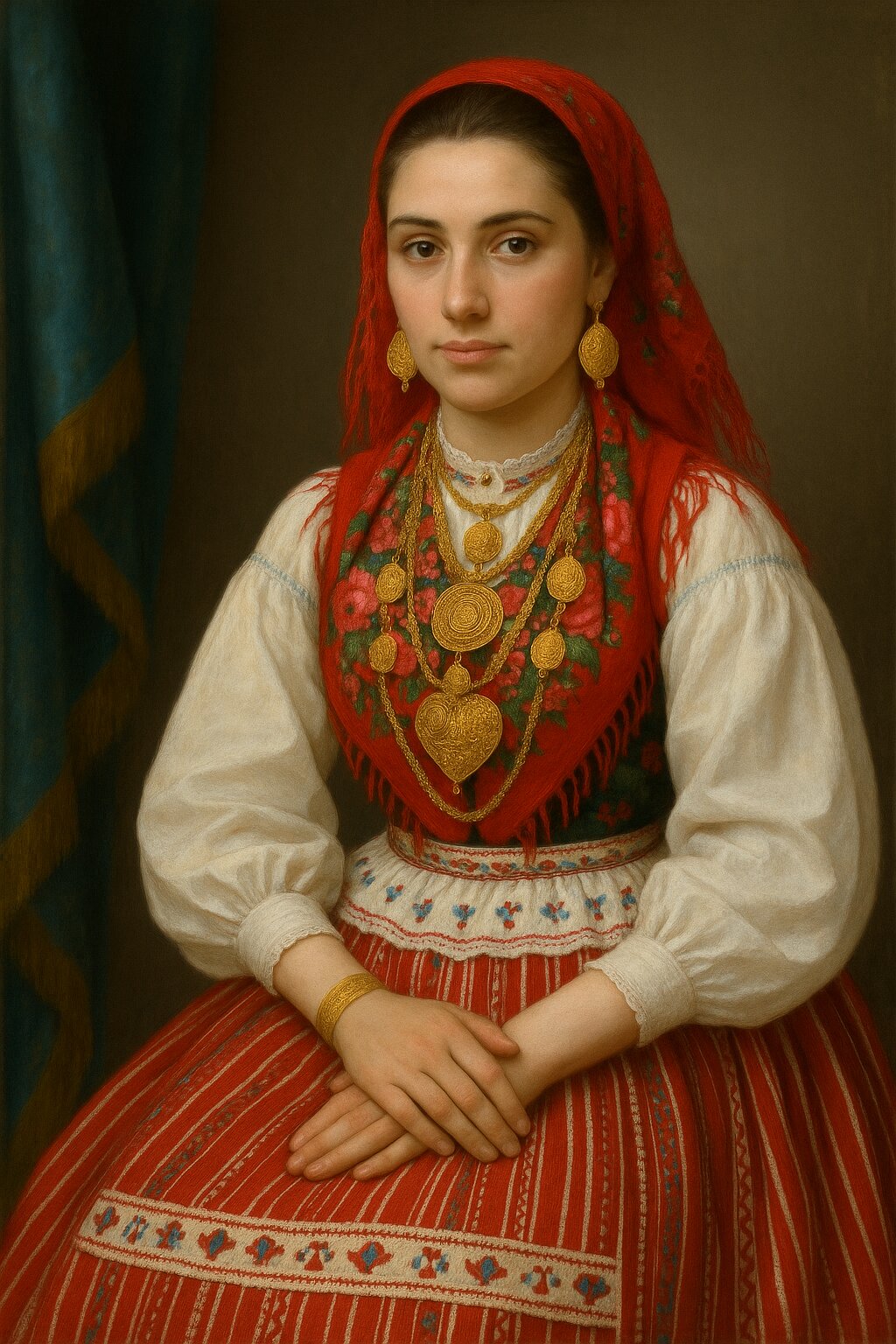
In Portugal, the 19.2 carat gold alloy is the most widely used
This specificity distinguishes Portuguese jewellery in the international context and reinforces its reputation.
The evolution of jewellery in Portugal is deeply connected to its history.
This historical context contributed to a distinctive aesthetic language, simultaneously rich and of recognised origin.
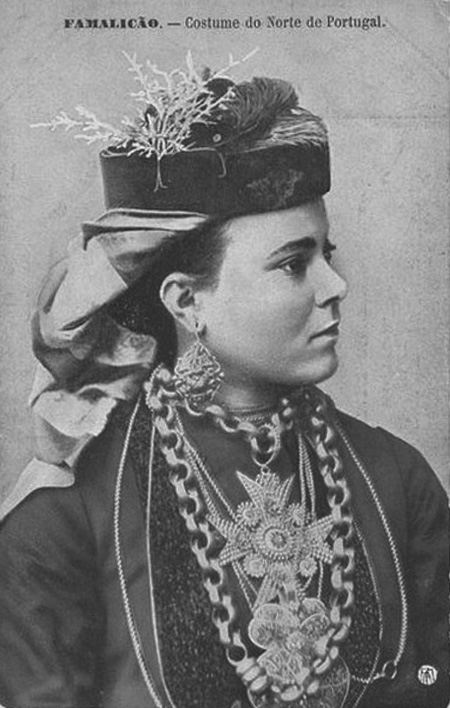
Today, Portuguese jewellery balances tradition and modernity.
Historic houses and contemporary designers contribute to the continuity and relevance of the sector.
Portuguese jewellery distinguishes itself by:



While other markets favour industrial production, Portugal maintains an approach closer to exclusivity.
A combinação entre ouro de particular riqueza, técnicas artesanais e herança histórica.
A filigrana está ligada a Portugal desde o começo da sua nacionalidade e é reconhecida pela sua qualidade e detalhe.
A filigrana pode ser elevada ao nível de alta joalharia, o que não acontece com filigrana comercial.
Na liga de ouro de 19,2k, 80% do peso da peça corresponde a ouro puro.
Na liga de ouro de 18k, 75% do peso da peça corresponde a ouro puro.
A liga de 19,2K, ouro tradicional portugues tem mais riqueza de ouro puro que a liga de 18k.
Portuguese jewellery establishes itself as an expression of continuity and rigour. The combination of noble materials, technical execution and cultural heritage positions it as a relevant reference both in the traditional and contemporary context.
This framework reinforces its natural role in high jewellery, where authenticity is an essential criterion.
CIBJO – The World Jewellery Confederation. The Blue Book: Precious Metals and Gemstones Standards.
Gemological Institute of America (GIA). Diamond Grading Reports and Educational Resources.
Associação de Ourivesaria e Relojoaria de Portugal (AORP). Guia do Sector da Joalharia Portuguesa.
Instituto Português da Qualidade (IPQ). Regulamentação sobre metais preciosos e contrastarias em Portugal.
Vever, François. French Jewelry of the Nineteenth Century. Thames & Hudson.
Cartier. Cartier High Jewelry Collections (catálogos institucionais).
Van Cleef & Arpels. The Art of High Jewelry (publicações e arquivos da maison).
Royal Collection Trust. Jewellery in the British Royal Collection.
Museu do Tesouro Real (Lisboa). Catálogo da Coleção Permanente.
Oppi Untracht. Jewelry Concepts and Technology. Doubleday.
Sotheby’s. Complete Guide to Collecting High Jewelry or Haute Joillerie.

Jewellery
Woman
Man
Category
Material
Collection
Home
Category
Collection
Gifts
Presentes Para
Ocasião
Explore
House Leitão
House Leitão
Manufatura em Lisboa
Compromisso L&I
Bem-vindo ao maravilhoso mundo Leitão & Irmão
Mantenha-se a par das últimas novidades, coleções e notícias.
Oferta de 10% de desconto na sua próxima encomenda.
Ao subscrever a Leitão News, declara que concorda com a Privacy Policy da Leitão & Irmão.
Enjoy Leitão & Irmão products.